

The clock strikes 7 PM. You’ve finished dinner, the dishes are done, and a wave of fatigue washes over you. Is this the time to hit the gym or lace up your running shoes? The idea of exercising at night might seem counterintuitive, especially when your body is signaling it’s time to wind down. However, whether nighttime workouts are beneficial for weight loss has sparked considerable debate. Let’s delve into the science, explore the pros and cons, and uncover the truth behind exercising at night for weight loss.
Understanding the Science of Weight Loss
Before we dive into the specifics of nighttime exercise, it’s essential to grasp the fundamental principles of weight loss. At its core, weight loss is about achieving a calorie deficit, meaning you burn more calories than you consume. This can be accomplished through a combination of diet and exercise.
Exercise plays a crucial role in boosting your metabolism, increasing calorie expenditure, and building muscle mass. Muscle tissue burns more calories at rest than fat tissue, contributing to a higher resting metabolic rate. Working out in colder temperatures can provide numerous benefits, from boosting endurance to burning more calories as your body works harder to maintain its temperature. While the type and intensity of exercise influence the number of calories burned, the timing of your workout can also play a subtle yet significant role. Exercising in the morning might help you feel energized throughout the day, whereas evening workouts can be great for releasing stress after work.
The Circadian Rhythm and Exercise
Our bodies operate on a 24-hour internal clock known as the circadian rhythm. This rhythm regulates various physiological processes, including sleep-wake cycles, hormone production, and body temperature. These processes can influence our exercise performance and how our bodies respond to physical activity.
Research suggests that our bodies may be more primed for exercise in the late afternoon or early evening, when body temperature and hormone levels peak. During this time, muscle strength and endurance tend to be higher, potentially leading to a more effective workout.
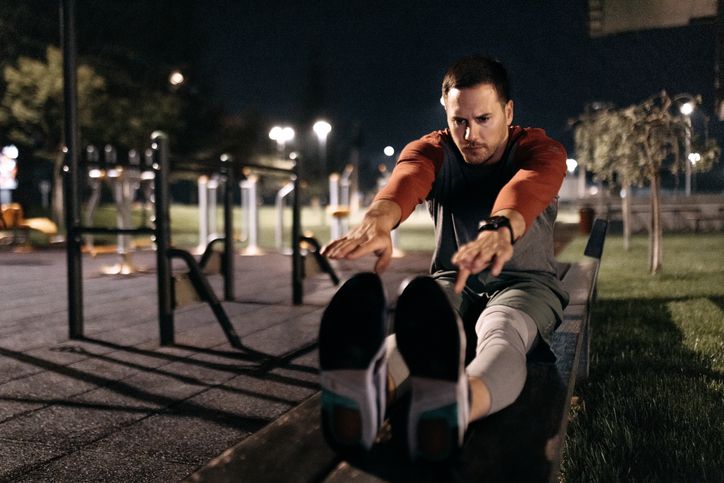
The Potential Benefits of Nighttime Exercise
Exercising at night can offer several advantages for weight loss:
- Improved Sleep Quality: While some believe that exercising close to bedtime can disrupt sleep, studies have shown that moderate-intensity exercise in the evening can actually enhance sleep quality. Exercise can reduce stress and anxiety, promoting relaxation and better sleep. However, it’s generally recommended to avoid vigorous exercise within two hours of bedtime.
- Enhanced Fat Burning: Some studies suggest that exercising at night may increase fat oxidation, the process of breaking down fat for energy. This could potentially lead to greater fat loss over time.
- Convenience and Consistency: For many people, evenings offer a more convenient time to exercise due to fewer work or family obligations. This can improve adherence to a workout routine, which is crucial for long-term weight loss success.
- Stress Reduction: Evening workouts can serve as a stress reliever after a long day. Exercise triggers the release of endorphins, which have mood-boosting effects and can help alleviate stress and anxiety.
Potential Drawbacks of Nighttime Exercise
While exercising at night can be beneficial, it’s essential to be aware of potential drawbacks:
- Safety Concerns: Exercising outdoors at night can pose safety risks, especially in poorly lit areas. It’s crucial to take precautions such as wearing reflective clothing, carrying a flashlight, and choosing well-lit routes.
- Disrupted Sleep for Some: While moderate-intensity exercise can improve sleep for many, vigorous exercise close to bedtime can interfere with sleep for some individuals. It’s important to listen to your body and adjust your workout timing accordingly.
- Limited Access to Facilities: Some gyms or fitness centers may have limited hours in the evening, restricting your options for nighttime workouts.
Tips for Effective Nighttime Workouts
If you choose to exercise at night, consider these tips to maximize your results and minimize potential drawbacks:
- Select the Right Intensity: Opt for moderate-intensity workouts in the evening, such as brisk walking, jogging, cycling, or yoga. Avoid high-intensity interval training (HIIT) or other vigorous exercises close to bedtime.
- Time Your Workout Strategically: Allow at least two hours between your workout and bedtime to avoid sleep disruption.
- Prioritize Safety: If exercising outdoors, wear reflective clothing, carry a flashlight, and select well-lit routes. Inform someone of your route and expected return time.
- Listen to Your Body: Pay attention to how your body responds to nighttime exercise. If you experience sleep disturbances, adjust your workout timing or intensity accordingly.
- Fuel Your Body: Consume a light snack or meal containing carbohydrates and protein a couple of hours before your workout to provide energy.
Reviews: What People Are Saying About Nighttime Exercise
Many individuals have found success with incorporating nighttime workouts into their weight loss journeys. Here are some real-life experiences:
- “I used to struggle to find time for exercise during the day, but evening workouts have been a game-changer. I feel more energized and sleep better.” – Sarah J.
- “Nighttime runs help me de-stress after work and clear my head. I’ve noticed significant improvements in my fitness and weight loss.” – John B.
- “I prefer working out at night because the gym is less crowded. It’s a great way to end the day and prepare for a restful sleep.” – Emily L.
Pros and Cons of Nighttime Exercise: A Summary
Pros:
- Potential for enhanced fat burning
- Improved sleep quality for many
- Convenience and consistency
- Stress reduction
Cons:
- Safety concerns for outdoor workouts
- Potential for sleep disruption for some
- Limited access to facilities
Frequently Asked Questions (FAQ)
1. Is it better to exercise in the morning or at night for weight loss?
Both morning and nighttime exercise can be effective for weight loss. The best time to exercise is the time that you can consistently stick to. Consider your personal preferences, schedule, and how your body responds to exercise at different times of the day.
2. Will exercising at night make it harder to sleep?
Moderate-intensity exercise in the evening can actually improve sleep quality for many people. However, vigorous exercise close to bedtime may interfere with sleep for some individuals. Listen to your body and adjust your workout timing accordingly.
3. What type of exercise is best at night?
Moderate-intensity workouts such as brisk walking, jogging, cycling, or yoga are generally recommended for nighttime exercise. Avoid high-intensity workouts close to bedtime.
4. What should I eat before a nighttime workout?
Consume a light snack or meal containing carbohydrates and protein a couple of hours before your workout to provide energy.
5. Is it safe to exercise outdoors at night?
Exercising outdoors at night can pose safety risks. Take precautions such as wearing reflective clothing, carrying a flashlight, and choosing well-lit routes. Inform someone of your route and expected return time.
Conclusion: Embracing the Nighttime Fitness Advantage
Exercising at night can be a valuable tool for weight loss, offering potential benefits such as enhanced fat burning, improved sleep quality, and stress reduction. While there are potential drawbacks to consider, such as safety concerns and potential sleep disruption for some, these can be mitigated with careful planning and self-awareness. Ultimately, the best time to exercise is the time that you can consistently adhere to, ensuring long-term success on your weight loss journey.
Remember, consistency is key. Whether you’re an early bird or a night owl, find a time that works for you and commit to a regular exercise routine. Embrace the nighttime fitness advantage and unlock your weight loss potential.


