

In our hyper-connected, fast-paced modern world, stress feels less like an occasional visitor and more like a permanent resident for many of us. Juggling work deadlines, family responsibilities, social pressures, and the constant influx of information can leave our internal stress response system working overtime. Central to this system is cortisol, often dubbed the “stress hormone.” While essential for survival in short bursts, chronically elevated cortisol can wreak havoc on our physical and mental well-being. Fortunately, nature offers a potential helping hand. For centuries, various cultures have turned to specific herbs, known as adaptogens, to help the body cope with stress and restore balance. This article delves into the world of cortisol, explores herbs scientifically studied for their potential to help manage it, and provides guidance for incorporating them safely into a holistic wellness strategy.
Decoding Cortisol: More Than Just a Stress Hormone
Before exploring herbal solutions, it’s crucial to understand what cortisol is and why managing it matters. Cortisol is a steroid hormone produced by your adrenal glands, small glands sitting atop your kidneys. It’s far more than just a stress signal; it plays a vital role in numerous bodily functions:
- Energy Regulation: Cortisol helps control how your body uses fats, proteins, and carbohydrates for energy. It triggers the release of glucose (sugar) from your liver, providing a quick energy source during stressful “fight-or-flight” situations.
- Inflammation Control: In short bursts, cortisol can help limit inflammation.
- Blood Pressure Regulation: It helps maintain steady blood pressure.
- Sleep-Wake Cycle: Cortisol levels naturally fluctuate throughout the day, typically peaking in the early morning to help you wake up and gradually declining towards the evening to allow for sleep.
Your body regulates cortisol production through a sophisticated feedback loop called the Hypothalamic-Pituitary-Adrenal (HPA) axis. When your brain perceives a threat (physical or psychological), the hypothalamus signals the pituitary gland, which in turn signals the adrenal glands to release cortisol. Once the threat passes, the system should return to baseline.
The problem arises with chronic stress. When stressors are constant – looming deadlines, financial worries, relationship conflicts – the HPA axis can remain activated, leading to persistently high cortisol levels. This chronic elevation disrupts the body’s natural rhythm and can contribute to a cascade of health issues, including:
- Weight gain, particularly around the abdomen
- Sleep disturbances (difficulty falling asleep or staying asleep)
- Increased anxiety and depression
- Weakened immune system (making you more susceptible to illness)
- Digestive problems
- Impaired memory and concentration (“brain fog”)
- Increased blood pressure
- Blood sugar imbalances
- Fatigue and burnout
Understanding this connection highlights why finding effective ways to manage chronic stress and support balanced cortisol levels is essential for long-term health and vitality.
Nature’s Stress Resilience Toolkit: Adaptogenic Herbs for Cortisol Balance
This is where adaptogenic herbs enter the picture. Adaptogens are a unique class of plants and mushrooms thought to help the body adapt to various stressors, whether physical, chemical, or biological. Instead of targeting one specific pathway, they work non-specifically to help stabilize physiological processes and promote homeostasis (balance), particularly influencing the HPA axis and cortisol production. They don’t just suppress cortisol; they help modulate the stress response system, making you more resilient over time.
Let’s explore some of the most well-researched adaptogenic herbs known for their potential cortisol-balancing effects:
Ashwagandha (Withania somnifera): The Calming King
Hailing from the ancient traditions of Ayurveda in India, Ashwagandha (often called “Indian Ginseng” or “Winter Cherry”) is perhaps one of the most popular and studied adaptogens today. Its name roughly translates to “smell of the horse,” referring to both its unique scent and the belief that it imparts the strength and stamina of a stallion.
- How it Works: Ashwagandha appears to directly influence the HPA axis, helping to regulate cortisol production. Studies suggest it can significantly lower cortisol levels in chronically stressed individuals. Some research indicates it might reduce cortisol by up to 30%. It also interacts with neurotransmitter systems involved in mood and relaxation.
- Potential Benefits: Research supports Ashwagandha’s use for reducing perceived stress and anxiety, improving sleep quality, enhancing cognitive functions like memory and attention, and even benefiting athletic performance by improving strength and oxygen utilization. Some studies also suggest it may support healthy testosterone levels in men.
- Forms & Usage: Ashwagandha is commonly available as root powder, capsules containing standardized extracts (like KSM-66, often used in studies), or liquid tinctures. Dosages in studies often range from 240mg to 600mg of extract daily, sometimes higher, but it’s crucial to start low and consult an expert for personalized advice.
- Safety: Generally considered safe for most people when used appropriately. Mild side effects like drowsiness or stomach upset can occur, particularly at higher doses.
Rhodiola Rosea: The Fatigue Fighter
Thriving in the cold, mountainous regions of Europe and Asia, Rhodiola Rosea has a long history of use in traditional medicine, particularly in Russia and Scandinavia, to combat fatigue, enhance physical endurance, and boost mood.
- How it Works: As an adaptogen, Rhodiola helps the body resist stress non-specifically. It’s thought to influence neurotransmitters like serotonin, norepinephrine, and dopamine, which play roles in mood, energy, and focus. It can help mitigate the effects of burnout associated with chronic stress.
- Potential Benefits: Studies suggest Rhodiola is particularly effective at alleviating fatigue, both mental and physical, often associated with stress and burnout. It may improve concentration, enhance mood, and potentially reduce symptoms of mild to moderate depression (though studies comparing it to antidepressants like sertraline found sertraline more potent, Rhodiola had significantly fewer side effects). Some research also points to improved cognitive function and physical performance.
- Forms & Usage: Typically available as capsules or tablets containing standardized extracts (often standardized for rosavins and salidroside, its active compounds). Doses used in research vary, often around 200-600mg per day.
- Safety: Rhodiola is generally well-tolerated. Some individuals might experience mild jitteriness or difficulty sleeping if taken too late in the day.
Holy Basil (Tulsi / Ocimum sanctum): The Sacred Balancer
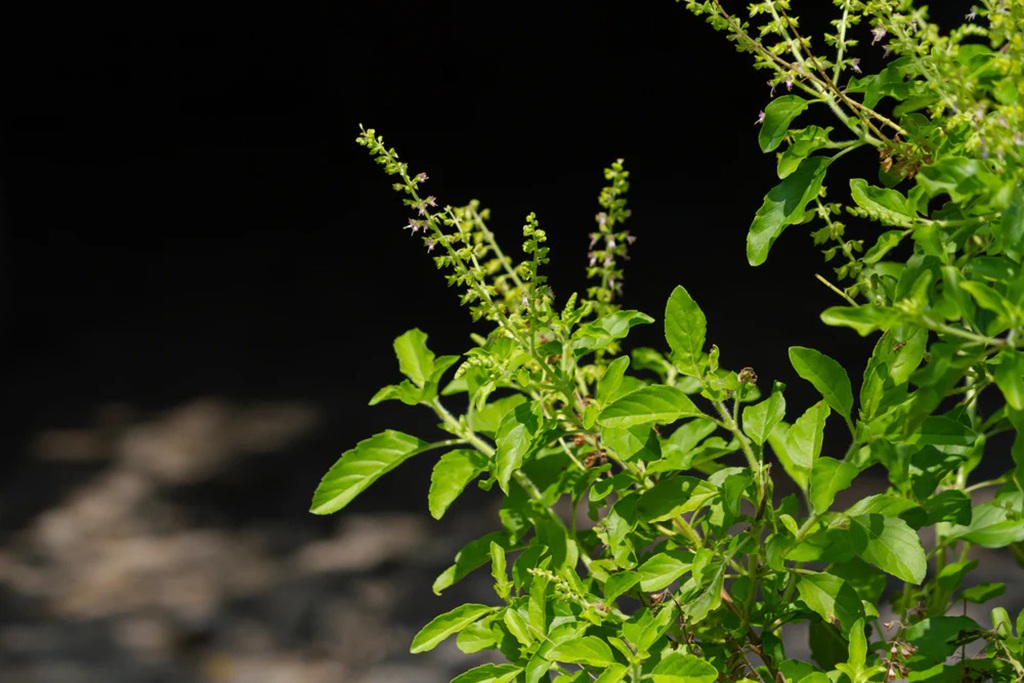
Revered in India as a sacred plant and often called the “Queen of Herbs” or “Elixir of Life,” Tulsi is a cornerstone of Ayurvedic medicine, cherished for its ability to promote longevity and well-being.
- How it Works: Tulsi acts as an adaptogen, helping the body cope with various stressors. Research indicates it can help modulate cortisol levels, protecting the body from the negative impacts of chronic stress. Its potent antioxidant properties also combat oxidative stress, which contributes to anxiety and mood issues. It may also support neurotransmitter balance.
- Potential Benefits: Tulsi is known for its calming effects, promoting mental clarity and reducing feelings of stress and anxiety. It also supports immune function and overall metabolic health. Many users report feeling more centered and less overwhelmed when incorporating Tulsi.
- Forms & Usage: Commonly consumed as a fragrant tea. Also available in supplement capsules and liquid extracts. Enjoying a daily cup of Tulsi tea is a simple and traditional way to experience its benefits.
- Safety: Tulsi is generally considered very safe for regular consumption.
Related: Old Home Remedies for Teething: Natural Solutions to Soothe Your Baby
Other Notable Herbal Allies
While Ashwagandha, Rhodiola, and Holy Basil often take center stage, other herbs also deserve mention:
- Lemon Balm (Melissa officinalis) & Chamomile (Matricaria recutita): These gentle herbs are well-known for their calming properties. Often enjoyed as teas, they can promote relaxation and improve sleep, indirectly helping manage stress and potentially influencing cortisol levels. They are considered very safe and are excellent choices for winding down.
- Siberian Ginseng (Eleutherococcus senticosus): Not a true ginseng but a potent adaptogen in its own right, Siberian Ginseng is more stimulating than Ashwagandha. It’s excellent for combating fatigue, enhancing mental focus, and boosting stamina while helping the body adapt to stress.
- Licorice Root (Glycyrrhiza glabra) – A Word of Caution: Licorice root possesses adaptogenic properties and can influence adrenal function. However, it contains a compound called glycyrrhizin, which can cause serious side effects if consumed in large amounts or for extended periods. These include increased blood pressure, dangerously low potassium levels (hypokalemia), edema (water retention), and hormonal imbalances. It can interfere with DHEA levels and may interact negatively with various medications. It is crucial to avoid regular licorice root supplements unless under the strict guidance of a qualified healthcare professional. If considering licorice, discuss using Deglycyrrhizinated Licorice (DGL), which has most of the glycyrrhizin removed, making it safer for specific uses like digestive support, but still warrants professional advice. Avoid licorice entirely if you have high blood pressure, heart or kidney disease, low potassium, are pregnant or breastfeeding, or have hormone-sensitive conditions.
Beyond Herbs: A Holistic Approach to Cortisol Management
It’s vital to remember that herbs are powerful allies, but they work best as part of a comprehensive stress management strategy. They are not magic bullets. To truly foster resilience and balance cortisol levels, consider integrating these lifestyle factors:
- Nourishing Diet: Focus on whole, unprocessed foods rich in anti-inflammatory compounds. Include plenty of colourful fruits and vegetables, lean proteins, healthy fats (like omega-3s found in fish, flaxseeds, chia seeds), and fiber. Limit processed foods, excessive sugar, refined carbohydrates, and excessive caffeine or alcohol, which can exacerbate stress responses.
- Balanced Movement: Regular physical activity is a fantastic stress reliever. Aim for a mix of aerobic exercise (walking, cycling, dancing) and strength training. However, be mindful that excessive high-intensity exercise can sometimes increase cortisol, so find a sustainable balance that feels good for your body. Practices like yoga and tai chi are particularly beneficial as they combine movement with mindfulness.
- Prioritize Sleep: Chronic sleep deprivation significantly impacts cortisol rhythms. Aim for 7-9 hours of quality sleep per night. Establish a consistent sleep schedule and a relaxing bedtime routine. Make your bedroom cool, dark, and quiet.
- Mindfulness & Relaxation: Techniques like meditation, deep breathing exercises, and progressive muscle relaxation actively engage the parasympathetic nervous system (your “rest and digest” system), counteracting the stress response and lowering cortisol. Even 5-10 minutes daily can make a difference.
- Social Connection: Strong, supportive relationships are powerful stress buffers. Make time for loved ones, share your feelings, and engage in enjoyable social activities.
- Time in Nature: Spending time outdoors, even a short walk in a park (“forest bathing”), has been shown to lower cortisol levels and calm the nervous system.
Safety First: Navigating Herbal Remedies Responsibly
While generally safe when used correctly, herbs are potent substances and require respect:
- Consult a Professional: Always talk to a qualified healthcare provider (like a doctor, naturopathic doctor, or clinical herbalist) before starting any new herbal supplement, especially if you have underlying health conditions, are pregnant or breastfeeding, or take any medications (including over-the-counter drugs).
- Potential Interactions: Herbs can interact with prescription medications (e.g., blood thinners, antidepressants, blood pressure medications, diabetes drugs). Professional guidance is essential to avoid harmful interactions.
- Quality Matters: The supplement industry is not always tightly regulated. Choose high-quality products from reputable brands that undergo third-party testing for purity and potency.
- Listen to Your Body: Pay attention to how you feel. Start with lower doses and monitor for any side effects. What works well for one person might not suit another. Herbs are supportive tools, not cures for underlying medical conditions.
Related: Grandma’s Wisdom or Woo-woo Nonsense? Are Natural Remedies the Real Deal?
People Also Ask (FAQs)
Q1: What are the main symptoms of high cortisol?
Common symptoms include persistent fatigue (even after sleep), difficulty sleeping, weight gain (especially belly fat), increased anxiety or irritability, muscle weakness, brain fog, frequent colds/infections, high blood pressure, and changes in mood.
Q2: What are adaptogens and how do they work for stress?
Adaptogens are natural substances (mostly herbs) that help the body adapt to stress and maintain balance (homeostasis). They work non-specifically to increase resistance to physical, chemical, or biological stressors, often by modulating the HPA axis and cortisol response, without causing significant side effects at normal doses.
Q3: Can Ashwagandha really lower cortisol?
Yes, multiple human studies suggest that Ashwagandha supplementation can significantly reduce cortisol levels, particularly in individuals experiencing chronic stress. It also helps reduce feelings of perceived stress and anxiety.
Q4: Is it safe to take herbs for cortisol long-term?
Many adaptogens like Ashwagandha, Rhodiola, and Holy Basil are generally considered safe for medium to long-term use by most adults when taken at appropriate doses. However, it’s often recommended to cycle adaptogens (e.g., taking them for several weeks or months, then taking a break) and long-term use should always be discussed with a healthcare professional who can monitor your progress and ensure continued suitability. Herbs like Licorice Root (with glycyrrhizin) are not safe for long-term use without strict medical supervision.
Q5: What’s the quickest way to lower cortisol naturally?
Immediate techniques like deep breathing exercises, taking a short walk (especially in nature), listening to calming music, or laughing can provide rapid, temporary relief by engaging the relaxation response. For sustained cortisol reduction, consistent lifestyle habits (sleep, diet, exercise, stress management) and potentially adaptogenic herbs are more effective long-term strategies.
Q6: Are there herbs I should avoid if I have high blood pressure?
Yes, absolutely. The most notable herb to avoid if you have high blood pressure is Licorice Root containing glycyrrhizin, as it can significantly raise blood pressure. Some stimulating adaptogens might also need caution, making it crucial to consult your doctor before using any herbs if you have hypertension.
Conclusion: Embracing Balance Naturally
Navigating the demands of modern life often means navigating chronic stress, with elevated cortisol frequently playing a central role in its detrimental health effects. While lifestyle interventions like diet, exercise, sleep, and mindfulness form the bedrock of effective stress management, adaptogenic herbs offer a promising avenue for additional support. Ashwagandha, Rhodiola Rosea, and Holy Basil stand out with growing scientific evidence backing their ability to help modulate the stress response, balance cortisol, and enhance resilience against fatigue, anxiety, and burnout.
However, harnessing the power of these natural remedies requires knowledge and responsibility. Understanding their mechanisms, potential benefits, and crucial safety considerations – particularly the importance of professional guidance and awareness of contraindications like those associated with Licorice Root – is paramount. By integrating carefully chosen herbs alongside healthy lifestyle practices, you can create a synergistic approach to managing stress, fostering balance within your body’s intricate systems, and ultimately reclaiming a greater sense of calm, energy, and overall well-being. Remember, the journey to balance is holistic, and nature provides powerful tools to support you along the way.