
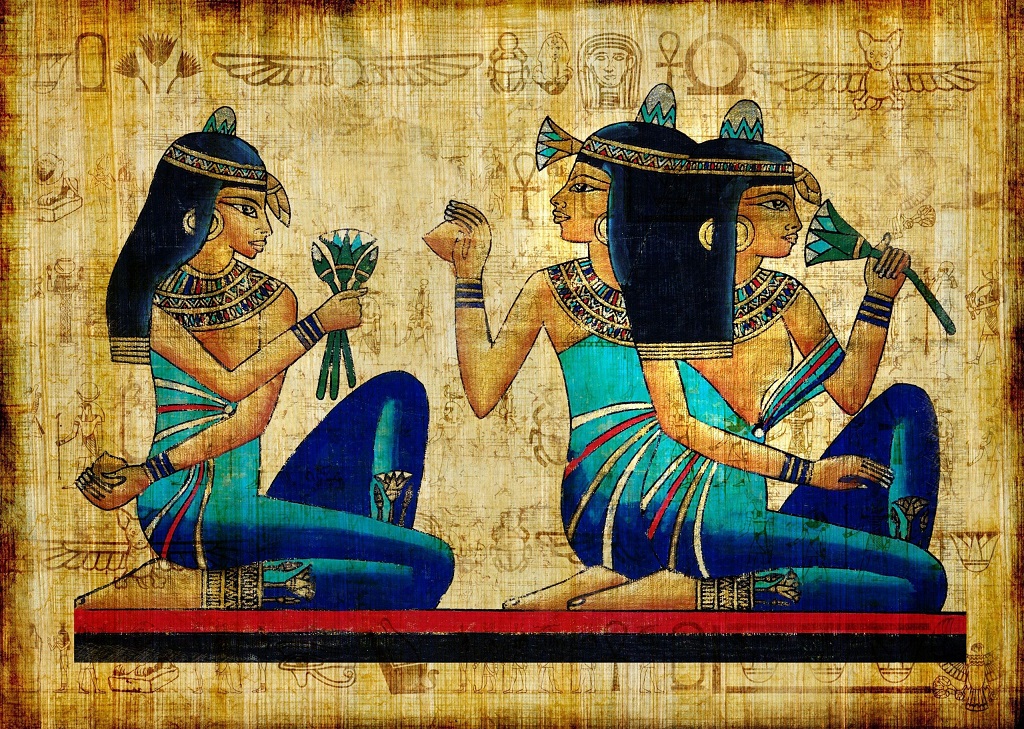
Ancient Egypt continues to capture our imagination with its towering pyramids, enigmatic pharaohs, and remarkable advancements in various fields. One such area of expertise was medicine. Though their practices might seem strange by modern standards, the Egyptians developed a sophisticated system of healthcare, heavily reliant on natural remedies derived from plants, minerals, and animal products. This article delves into the fascinating world of ancient Egyptian medicine and explores some of the most common natural remedies they used.
The Foundation of Egyptian Medicine: A Holistic Approach
The Egyptians believed in a holistic approach to health, emphasizing preventative measures and treating the body, mind, and spirit as interconnected. Their medical practices were closely linked to religion and magic, with spells and rituals often incorporated into the healing process. Highly skilled doctors, known as “Swnw” (Senu), relied heavily on a vast repertoire of natural remedies documented in scrolls like the Ebers Papyrus, one of the oldest medical texts ever discovered.
The Power of Plants: A Botanical Bounty
Plants formed the cornerstone of ancient Egyptian medicine. Over 1,600 plant-based remedies are documented in the Ebers Papyrus, showcasing the Egyptians’ extensive knowledge of the medicinal properties of various flora. Here are some key examples:
- Honey: Honey, prized for its antibacterial and wound-healing properties, was used topically for burns, ulcers, and skin infections. It was also taken internally as a sweetener and believed to have soothing properties for coughs and sore throats.
- Poppy Seeds: Opium, derived from poppy seeds, was used as a painkiller and anesthetic for surgeries and procedures. Its use was likely limited due to its psychoactive effects.
- Garlic: Recognized for its antiseptic properties, garlic was used to treat wounds and infections. It was also believed to ward off evil spirits and promote overall well-being.
- Castor Oil: Extracted from the castor bean plant, castor oil was used as a laxative and purgative. It was also applied topically to treat skin conditions like psoriasis and eczema.
- Pomegranate: This fruit was not only enjoyed for its taste but also valued for its medicinal properties. Pomegranate rind was used as an astringent and antidiarrheal remedy, while the juice was believed to have aphrodisiac qualities.
Beyond the Plant Kingdom: Exploring Other Natural Remedies
While plants dominated the Egyptian pharmacopeia, other natural remedies were also utilized:
- Minerals: Minerals like natron (sodium carbonate) were used for drying wounds, while malachite (a copper mineral) was believed to have antibacterial properties and was used for eye ailments.
- Animal Products: Honeycomb was used as a dressing for wounds, while animal fats and milk were employed for skin conditions and as laxatives. Specific organs, like the liver, were also used in certain remedies, though the exact rationale remains unclear.

Important Considerations: Effectiveness and Modern Applications
It’s crucial to remember that ancient Egyptian medicine was based on empirical observations and beliefs that don’t always align with modern scientific understanding. While some remedies might have had beneficial effects due to the inherent properties of certain ingredients, others may have been ineffective or even harmful.
However, the ingenuity of the Egyptians in exploring the natural world for potential healing solutions is undeniable. Modern research continues to investigate the potential of some plant-based remedies used in ancient Egypt. For example, curcumin, a compound found in turmeric, is being studied for its anti-inflammatory properties.
A Legacy of Exploration: Lessons from the Past
The study of ancient Egyptian medicine offers valuable insights into the evolution of healthcare. It highlights humanity’s long-standing quest to alleviate suffering and improve well-being through natural means. While some of their practices may seem archaic, the Egyptians’ dedication to exploration and their reliance on the natural world laid the foundation for future advancements in medicine.
Related: Is Citronella Safe for Humans?
Conclusion: A Bridge Between Past and Present
The ancient Egyptians developed a sophisticated system of medicine heavily reliant on natural remedies. Their knowledge of plants, minerals, and animal products laid the groundwork for future discoveries. While modern medicine has surpassed these practices, understanding the Egyptians’ approach to health and healing offers a fascinating glimpse into the past and highlights the enduring human desire to find natural solutions for a healthier life.