
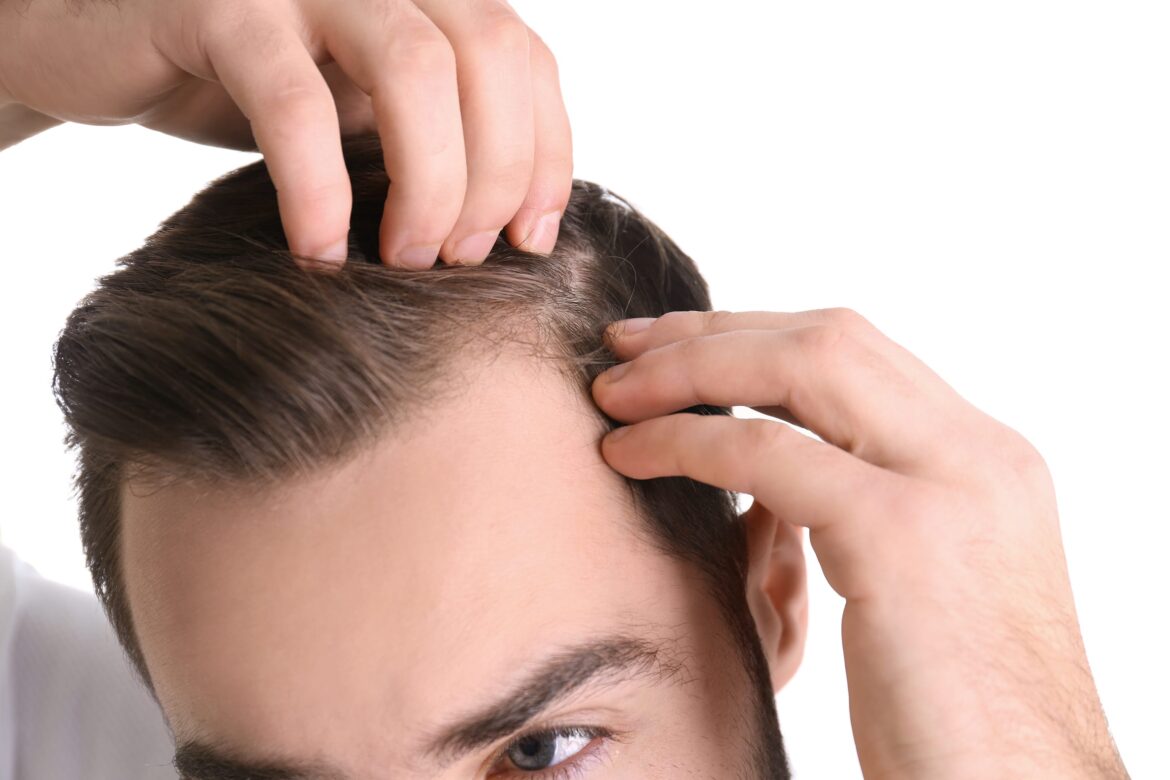
Hair loss is a common concern for both men and women. It can be caused by various factors, from genetics to stress, and can significantly impact self-esteem. The internet abounds with miracle cures and hair growth products, leaving many wondering: can you truly regrow lost hair? This guide explores the science behind hair loss, investigates popular treatments, and empowers you with realistic expectations.
Understanding Hair Loss: The Root of the Problem
Hair loss occurs naturally as part of the hair growth cycle. However, when the growth phase shortens or the follicles stop producing hair altogether, noticeable hair loss can occur. Here are some common causes:
-
Genetics: Androgenetic alopecia, commonly known as male pattern baldness or female pattern hair loss, is the most prevalent cause. It’s hereditary and influenced by hormones.
-
Medical Conditions: Certain medical conditions and hormonal imbalances can trigger hair loss.
-
Stress: Chronic stress can disrupt the hair growth cycle and lead to temporary hair loss.
-
Diet and Nutrition: Nutritional deficiencies can impact hair health and contribute to hair loss.
-
Aging: Hair growth naturally slows down with age, leading to thinning hair.
-
Certain Hairstyles and Treatments: Tight hairstyles and harsh hair treatments can damage hair and contribute to breakage.
Myth vs. Miracle: Debunking Hair Loss Claims
The internet is flooded with miracle cures and quick fixes for hair loss. Here’s a breakdown of some common claims:
-
Myth: Shampoos and Conditioners Can Regrow Hair: While some shampoos and conditioners may promote scalp health and reduce breakage, they cannot regrow lost hair.
-
Myth: Natural Remedies Are a Guaranteed Solution: While certain natural ingredients may support hair health, there’s limited scientific evidence for their effectiveness in hair regrowth.
-
Miracle: Minoxidil and Finasteride: These FDA-approved medications are currently the most effective options for hair loss treatment. Minoxidil stimulates hair growth, while Finasteride (for men only) blocks the conversion of testosterone to DHT, a hormone linked to hair loss. However, they require consistent use and may have side effects.
Exploring Treatment Options: What Works and What Doesn’t
While regrowing a full head of hair might not be achievable for everyone, several treatment options can slow down hair loss and promote existing hair growth. Here’s a breakdown of some common approaches:
-
Medications: Minoxidil and Finasteride, as mentioned above, are the most well-established options.
-
Hair Transplant Surgery: This surgical procedure involves transplanting hair follicles from a donor area to a balding area. It’s a permanent solution but can be expensive.
-
Low-Level Laser Therapy: This treatment involves exposing the scalp to low-level laser light, which is theorized to stimulate hair growth. However, research on its effectiveness is ongoing.
-
Platelet-Rich Plasma (PRP) Therapy: This injectable treatment uses a concentration of a patient’s platelets to stimulate hair growth. While promising, more research is needed to confirm its long-term efficacy.
Taking Control: Preventive Measures and Healthy Habits
While there’s no guaranteed cure for hair loss, certain lifestyle choices can promote scalp health and potentially slow down the process:
-
Maintain a Balanced Diet: Ensure your diet provides essential nutrients like protein, iron, vitamin D, and B vitamins, all of which play a role in hair health.
-
Manage Stress: Chronic stress can negatively impact hair growth. Practice stress-management techniques like yoga, meditation, or deep breathing exercises.
-
Gentle Hair Care: Avoid harsh shampoos, tight hairstyles, and excessive heat styling. Be gentle when brushing or combing your hair.
-
Scalp Massage: Regular scalp massage may improve blood circulation to the scalp, potentially promoting hair growth. However, more research is needed.
Remember, Consistency is Key
It’s important to manage expectations when it comes to hair loss treatment. Most options require consistent use over several months to see noticeable results. Consult a dermatologist or hair loss specialist to discuss a personalized treatment plan based on the cause and severity of your hair loss.
Embrace Your Hair Journey
Hair loss can be a frustrating experience, but it doesn’t define you. Numerous hairstyle options can flatter different hair types and thinning hair. Focus on maintaining healthy hair habits, explore different hairstyles, and remember, that confidence is the most attractive accessory of all.
Additional Resources:
- American Academy of Dermatology Association: https://www.aad.org/

The Future of Hair Loss Treatment
Hair loss research is constantly evolving, with scientists exploring various avenues for potential breakthroughs. Here’s a glimpse into some promising areas:
-
Stem Cell Therapy: Researchers are investigating the potential of using stem cells to regenerate hair follicles. While still in its early stages, this technology holds promise for future hair loss treatment.
-
Gene Editing: Gene editing techniques like CRISPR are being explored to potentially address the genetic factors that contribute to hair loss.
-
Nanotechnology: Nanoparticles may be used in the future to deliver hair growth-promoting medications directly to the hair follicles.
Related: Taming the Flakes: Natural Solutions for Managing Dandruff
The Takeaway: Knowledge is Power
Hair loss can be a complex issue, and there’s no one-size-fits-all solution. While a full head of hair might not be achievable for everyone, there are treatments and strategies to manage hair loss, promote existing hair growth, and maintain scalp health.
By understanding the causes of hair loss, exploring evidence-based treatment options, and adopting healthy hair care habits, you can take control of your hair journey and feel confident regardless of your hair type or density. Remember, a healthy scalp and lifestyle are the foundation for strong and healthy hair.
Embrace the science, explore your options, and don’t be afraid to consult a hair loss specialist. With knowledge and proactive steps, you can navigate your hair loss journey with confidence and self-acceptance.