
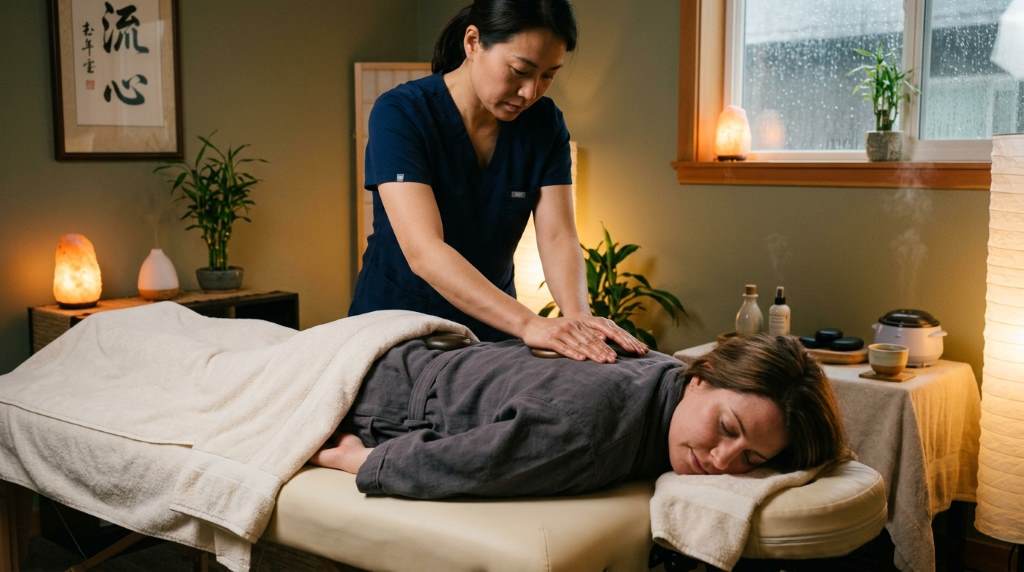
Seattle residents often deal with long work hours, rainy weather, and physically demanding daily routines that place extra stress on the body. According to the American Chiropractic Association, nearly 80% of adults experience back pain at some point in life, while stress-related muscle tension continues to rise among office workers. Because of these challenges, many people now turn to asian massage for pain relief as a natural way to ease discomfort and improve relaxation. Seattle’s wellness-focused culture also encourages holistic therapies that support both physical and mental health. As a result, Asian massage has become a preferred solution for residents seeking lasting relief without relying heavily on medication.
The Growing Popularity of Asian Massage in Seattle
Seattle has built a strong reputation for wellness, fitness, and holistic healthcare practices over the years. Many residents actively search for natural therapies that reduce stress while improving physical comfort. Asian massage fits perfectly into this lifestyle because it combines relaxation with therapeutic bodywork techniques. In addition, the city’s fast-paced technology industry creates high levels of neck and back tension among professionals. Many people choose massage sessions to recover from long hours spent sitting at desks or commuting through traffic.
The climate in Seattle also contributes to body stiffness and discomfort during colder months. Frequent rain and low sunlight levels often cause people to spend more time indoors with reduced physical activity. Consequently, muscles tighten more easily, especially in the lower back and shoulders. Asian massage techniques help improve blood circulation, loosen stiff muscles, and support better flexibility. Residents appreciate these benefits because they provide comfort during long wet seasons. This practical advantage has made massage therapy part of many Seattle wellness routines.

Another reason for the growing demand involves the personalized nature of Asian massage services. Therapists often customize treatments according to pain levels, body tension, and individual goals. Some sessions focus on deep tissue pressure, while others prioritize gentle relaxation methods. Because of this flexibility, people from different age groups find suitable options for their specific needs. Seattle residents value customized care that addresses both short-term discomfort and long-term wellness. This approach strengthens trust between therapists and clients.
Understanding Asian Massage Techniques
Asian massage includes several traditional healing practices that originated in countries such as China, Thailand, Japan, and Korea. These methods focus on restoring balance within the body while relieving physical discomfort. Therapists often use pressure points, stretching, and rhythmic movements during treatments. Unlike basic relaxation massages, many Asian techniques target energy flow and muscle recovery simultaneously. Therefore, clients experience both mental calmness and physical relief after sessions. This dual benefit attracts many Seattle residents seeking complete wellness support.
Shiatsu Massage
Shiatsu massage comes from Japan and uses finger pressure along energy pathways throughout the body. Therapists apply steady pressure to reduce muscle tightness and improve circulation. Many Seattle office workers prefer Shiatsu because it helps ease neck pain and tension headaches caused by screen time. Furthermore, the technique supports relaxation without requiring aggressive pressure on sensitive areas. Sessions often leave clients feeling refreshed and mentally balanced. This gentle yet effective method continues to gain popularity across wellness centers in Seattle.
Thai Massage
Thai massage combines stretching, movement, and pressure techniques that improve flexibility and posture. Therapists guide clients through assisted stretches that release stiffness in the hips, back, and shoulders. Seattle residents who enjoy outdoor activities like hiking and cycling often choose Thai massage for muscle recovery. In addition, this technique helps improve mobility during cold and rainy seasons when joints feel tighter. Many people appreciate the energizing effect of Thai massage because it leaves the body feeling lighter and more flexible. Regular sessions can also reduce recurring muscle tension.
Chinese Tui Na
Tui Na focuses on therapeutic body manipulation to relieve pain and restore muscle balance. Therapists use kneading, pressing, and rolling motions to target deep tension areas. This method works especially well for chronic back pain and sports-related discomfort. Many Seattle residents with physically demanding jobs seek Tui Na treatments for lasting relief. Since the technique improves circulation, it can also support faster recovery after physical activity. As a result, it has become a trusted option among people looking for natural pain management methods.
Why Back Pain Is Common in Seattle
Back pain affects many Seattle residents because modern work environments encourage long hours of sitting. Technology professionals, remote workers, and office employees often spend entire days in front of computers. Poor posture and limited movement place constant strain on the spine and surrounding muscles. Consequently, many people experience stiffness, soreness, and recurring discomfort. Asian massage helps counter these effects by improving circulation and reducing muscle tightness. This makes it a practical wellness solution for urban lifestyles.
Seattle’s weather also plays an important role in physical discomfort and muscle tension. Damp and chilly conditions can increase stiffness, especially among older adults and individuals with previous injuries. During long rainy periods, reduced outdoor activity often contributes to weaker muscles and poor flexibility. Therefore, many residents use massage therapy to stay physically comfortable throughout the year. Warm massage environments combined with therapeutic pressure provide additional comfort during colder months. This seasonal benefit strongly appeals to local clients.
Stress represents another major factor behind chronic back pain in Seattle communities. Fast-paced work cultures and rising living costs create mental pressure that often manifests physically in the shoulders and lower back. Asian massage addresses both emotional stress and muscle tension at the same time. Therapists create calming environments that help clients disconnect from daily pressure. In turn, relaxation reduces the body’s stress response and decreases physical discomfort. This holistic effect explains why many residents schedule regular massage sessions.
Key Benefits of Asian Massage for Relaxation
Asian massage provides more than temporary physical relief because it also supports mental wellness and emotional balance. Many Seattle residents use massage therapy to manage anxiety, improve sleep quality, and reduce daily stress. The calming atmosphere of massage sessions encourages the nervous system to relax naturally. As muscles release tension, the mind often feels calmer and more focused. This connection between physical and emotional wellness increases the appeal of massage therapy. Many clients therefore consider it part of their long-term self-care routine.
Improved sleep quality represents another important benefit for people dealing with stress and discomfort. Muscle pain and mental tension often interfere with healthy sleep patterns. However, massage therapy helps the body relax deeply before bedtime. Many clients report sleeping better after consistent massage sessions. Better sleep also improves energy levels, mood, and concentration throughout the day. Seattle professionals particularly value these improvements because demanding schedules often affect rest and recovery.
Asian massage can also support better mobility and posture over time. Tight muscles frequently pull the body into uncomfortable positions that increase strain on the spine. Through stretching and pressure techniques, therapists help restore muscle balance and flexibility. Consequently, clients often notice improved posture and easier movement after regular sessions. This benefit becomes especially valuable for individuals who sit for extended periods at work. Improved movement also reduces the risk of future discomfort and injuries.
How Seattle Residents Choose the Right Massage Service
Many residents look for licensed and experienced therapists when selecting massage services in Seattle. Professional certifications help ensure safe treatment and proper understanding of body mechanics. Clients also prefer therapists who specialize in pain management and therapeutic techniques. Reading online reviews often helps people identify trusted wellness centers in their neighborhoods. Additionally, many residents seek recommendations from friends or coworkers before booking appointments. This careful approach helps clients feel more confident about their experience.
Location and accessibility also influence massage choices across Seattle communities. Busy professionals often prefer wellness centers close to offices or residential areas. Convenient scheduling options make it easier for clients to maintain regular appointments. Since traffic and commuting can increase stress levels, nearby locations provide additional comfort and convenience. Many massage businesses therefore offer flexible hours that accommodate work schedules. This accessibility contributes to the growing popularity of massage therapy services in the city.
Pricing and service variety also matter when residents compare different wellness centers. Some clients prefer shorter relaxation sessions, while others require intensive therapeutic treatments for chronic pain. Massage centers that provide multiple therapy options attract a broader range of customers. In addition, package deals and membership programs encourage long-term wellness habits. Seattle residents appreciate businesses that balance quality service with reasonable pricing. This customer-focused approach helps build lasting relationships within the community.
Practical Tips for Getting Better Results From Massage Therapy
People often achieve better outcomes when they combine massage therapy with healthy daily habits. Simple stretching routines can help maintain flexibility between appointments. Drinking enough water after sessions also supports muscle recovery and circulation. Furthermore, proper posture during work hours reduces unnecessary strain on the back and shoulders. Small lifestyle adjustments can therefore improve the long-term benefits of massage therapy. Consistency remains important for lasting relief and wellness improvement.
Choosing the right massage frequency depends on individual needs and activity levels. People with chronic back pain may benefit from weekly sessions during the early stages of treatment. Others may maintain comfort with monthly appointments focused on stress management and relaxation. Therapists often recommend customized schedules based on pain levels and lifestyle habits. Seattle residents who remain physically active usually experience better results with regular maintenance sessions. This personalized approach supports more effective recovery and comfort.
Clients should also communicate openly with therapists during appointments. Sharing information about pain areas, previous injuries, and pressure preferences helps therapists adjust treatments effectively. Honest communication improves comfort and reduces the risk of unnecessary discomfort during sessions. In addition, clients can ask therapists for home care suggestions that support recovery between appointments. These recommendations may include stretches, posture corrections, or relaxation techniques. Active participation often leads to better long-term wellness results.
Related:
Can Debate Health Improve Mental and Social Well-Being?
How to Strengthen Your Core at Home (Beginner to Advanced)
The Future of Wellness and Massage Therapy in Seattle
The wellness industry in Seattle continues to expand as more residents prioritize preventive healthcare and stress management. Asian massage remains an important part of this trend because it offers both therapeutic and relaxation benefits. Many wellness centers now combine traditional massage methods with modern recovery practices. This combination creates more personalized experiences for clients seeking comprehensive care. As awareness grows, demand for professional massage therapy services will likely continue increasing. Seattle’s wellness-focused culture strongly supports this growth.
Technology-driven lifestyles will probably increase the need for pain management solutions in coming years. Remote work and long screen hours continue affecting posture and physical health across many industries. Therefore, massage therapy may become even more important for maintaining comfort and mobility. Many people already view regular massage sessions as essential rather than occasional luxury treatments. This shift reflects changing attitudes toward holistic health and self-care practices. Asian massage fits naturally within this evolving wellness mindset.
Community awareness about mental health also contributes to the rising popularity of massage therapy. People increasingly recognize the connection between emotional stress and physical discomfort. Asian massage addresses both concerns through calming environments and therapeutic bodywork techniques. As a result, more Seattle residents continue exploring massage therapy as part of balanced wellness routines. Individuals seeking natural solutions for stress and back pain often discover long-term value in regular sessions. This growing interest ensures a strong future for holistic wellness services across Seattle.
Conclusion
Seattle residents prefer Asian massage for back pain and relaxation because it provides natural relief, stress reduction, and long-term wellness benefits. The city’s demanding work culture, rainy climate, and active lifestyle all contribute to muscle tension and physical discomfort. Asian massage techniques help improve circulation, flexibility, posture, and emotional balance without relying heavily on medication. Whether someone struggles with chronic back pain or daily stress, massage therapy offers practical and personalized support. If you want to improve comfort, reduce tension, and support overall wellness, now is the perfect time to explore professional Asian massage services in Seattle.
FAQs
Is Asian massage good for chronic back pain?
Yes, many Asian massage techniques help reduce muscle tension and improve circulation that supports chronic back pain relief.
How often should I get a massage for stress relief?
Most people benefit from massage sessions every two to four weeks depending on stress levels and physical discomfort.
Does Seattle’s weather affect muscle stiffness?
Yes, cold and rainy weather can increase muscle tightness and joint stiffness in many individuals.
Which Asian massage is best for office workers?
Shiatsu massage works well for office workers because it targets neck, shoulder, and back tension from long sitting hours.
Can massage therapy improve sleep quality?
Yes, massage therapy promotes relaxation and helps many people sleep more comfortably and consistently.
SEO-Friendly URL Slug:
why-seattle-wa-residents-prefer-asian-massage-for-back-pain-and-relaxation


