

When working with rope, understanding how to secure your lines is as crucial as mastering basic knots. An unsecured end can unravel, leading to potential hazards and compromised projects. Fortunately, there exists a wide array of techniques designed to prevent fraying and create functional loops or stoppers.
This comprehensive guide will equip you with the knowledge and skills to choose the most appropriate end knot for various applications, from sailing and climbing to camping and DIY projects.
Why Knot the End?
Beyond preventing fraying, end knots offer numerous benefits:
- Safety: Secures lines to prevent accidents
- Functionality: Creates loops for attachments or handles
- Aesthetics: Enhances the appearance of a rope project
Choosing the Right Knot
The best end knot depends on several factors:
- Rope Type: Natural fibers, synthetic fibers, or wire rope
- Rope Diameter: Thicker ropes may require bulkier knots
- Application: Decorative, functional, or load-bearing
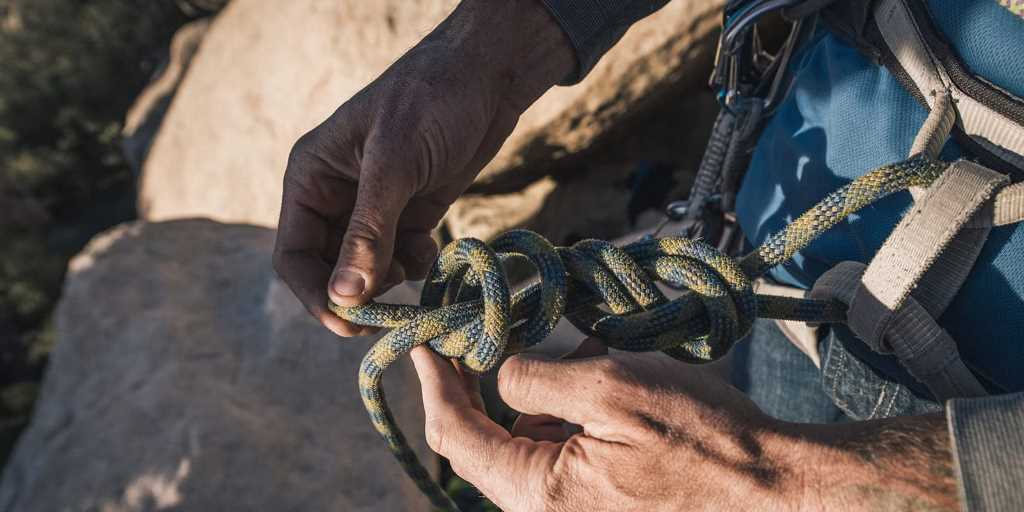
Common End Knots: A Step-by-Step Guide
Let’s delve into the most versatile and effective end knots for various scenarios:
1. Overhand Knot
- Simplest knot: Ideal for beginners or quick fixes
- Not secure under load: Use primarily for preventing fraying
- How to tie: Pass the end of the rope over itself and through the loop formed
2. Figure-Eight Knot
- More secure than overhand knot: Suitable for moderate loads
- Easy to untie: Even after tightening
- How to tie: Pass the end over itself, then under and through the loop
3. Double Overhand Knot
- Bulkier than single overhand: Creates a larger stopper
- More secure: Less likely to slip
- How to tie: Pass the end twice over itself and through the loops
4. Crown Knot
- Decorative and functional: Often used in lanyards or keychains
- Creates a secure loop: Can be used for attachments
- How to tie: Form a series of loops around a central core, then tighten
5. End Splice
- Most secure option for natural fibers: Involves weaving the strands back into the rope
- Permanent: Difficult to untie
- How to tie: Consult a detailed splicing guide (not covered here)
6. Whipping
- Prevents fraying without creating a knot: Ideal for thin cords or strings
- Requires whipping twine or thread: Additional material needed
- How to tie: Wrap twine tightly around the end of the rope, securing it with a hidden knot
Discover How to Eat Whatever You Want and Stay Fit
Additional Tips and Tricks
- Wet the rope: Makes tying knots easier and tighter
- Practice: The more you practice, the more confident you’ll become
- Inspect knots regularly: Ensure they remain secure and haven’t worked loose
- Choose the right material: Use appropriate twine or thread for whipping
- Consult online resources: For detailed instructions on more complex knots
Rope End Knots: Beyond the Basics
While the knots mentioned above cover most common scenarios, countless other end knots exist. Here are a few worth exploring for specific applications:
- Matthew Walker Knot: Decorative knot often used in knotting projects
- Diamond Knot: Similar to the crown knot, but with a diamond pattern
- Wall Knot: Simple knot used to secure the end of a rope ladder
- Back Splice: Used to create a loop at the end of a rope
Conclusion
Mastering rope end knots is an essential skill for anyone working with rope. By understanding the various options and choosing the most appropriate knot for the task at hand, you can ensure safety, functionality, and longevity for your rope projects. Whether you’re securing a load, creating a rope ladder knot, or simply tying down equipment, each knot serves a specific purpose. For a detailed guide on how to make a rope ladder knot, you can visit https://yifarope.com/how-to-make-a-rope-ladder/.
With practice and patience, you’ll be tying end knots like a pro in no time to secure your lines. Remember, the journey of knot-tying is a continuous learning process – don’t hesitate to explore new knots and experiment with different techniques. As you expand your repertoire, you’ll discover the versatility and artistry that knots bring to the world of ropework.


