

Dreaming of sculpted, rock-solid abs? You’re not alone. While countless ab-focused workouts promise rapid results, many fall short due to a lack of comprehensive engagement. Enter the kettlebell – a versatile tool that transforms your home workout routine into a dynamic, core-blasting experience. This article delves into the transformative power of kettlebell workouts for achieving six-pack abs from the comfort of your own home, providing a detailed routine, essential tips, and answers to your burning questions.
Why Kettlebells? The Science Behind Core Engagement
Kettlebells aren’t just weights; they’re dynamic tools that challenge your core in unique ways. Unlike traditional dumbbells, the offset center of gravity in a kettlebell forces your stabilizing muscles to work harder. This constant engagement activates deep core muscles, including the transverse abdominis, obliques, and rectus abdominis, leading to a more comprehensive and effective ab workout. Furthermore, the swinging and rotational movements inherent in kettlebell exercises recruit a wider range of muscle fibers, boosting calorie burn and promoting overall core strength. This functional strength translates to improved posture, balance, and performance in everyday activities.
The Foundation: Essential Kettlebell Exercises for Ab Domination
Before diving into the routine, let’s understand the key exercises that will form the bedrock of your kettlebell ab workout:
Kettlebell Swing:
This explosive movement engages your entire core, particularly the lower abs and obliques. It also strengthens your glutes and hamstrings, contributing to a well-rounded physique. To perform a swing, stand with feet shoulder-width apart, holding the kettlebell with both hands. Hinge at the hips, allowing the kettlebell to swing between your legs, then explosively drive your hips forward, swinging the kettlebell to chest height. Ensure your core is braced throughout the movement.
Kettlebell Turkish Get-Up:
This complex exercise requires coordination and stability, activating virtually every muscle in your body, including your core. It’s excellent for building functional strength and improving core stability. Start lying on your back, holding the kettlebell in one hand extended towards the ceiling. Progress through a series of controlled movements, transitioning from lying to standing while maintaining a stable arm position.
Kettlebell Windmill:
This exercise targets the obliques and improves core stability. Stand with feet wider than shoulder-width apart, holding the kettlebell in one hand overhead. Hinge at the hips, allowing your free hand to slide down your opposite leg while keeping your arm extended. Focus on maintaining a straight back and engaging your core throughout the movement.
Kettlebell Russian Twist:
This rotational exercise directly targets the obliques, helping to sculpt the sides of your abdomen. Sit on the floor with knees bent and feet slightly elevated, holding the kettlebell with both hands. Lean back slightly, engage your core, and rotate your torso from side to side, tapping the kettlebell on the floor beside your hips.
Kettlebell Plank Drag:
This variation of the plank adds a dynamic element, challenging your core stability and strength. Start in a plank position, with the kettlebell beside one hand. Drag the kettlebell across your body to the opposite side, alternating hands. Maintain a straight line from head to heels, engaging your core throughout.
Kettlebell Halo:
This exercise works the core, shoulders, and upper back. Stand with your feet shoulder-width apart, holding the kettlebell with both hands in front of your chest. Move the kettlebell in a circular motion around your head, maintaining a tight core.
The Ultimate Kettlebell Ab Workout Routine (At Home)
This routine is designed to be performed 2-3 times per week, with rest days in between. Adjust the sets and reps according to your fitness level.
- Warm-up (5 minutes): Light cardio (jumping jacks, high knees) followed by dynamic stretches (arm circles, torso twists).
- Kettlebell Swing: 3 sets of 15-20 reps. Focus on the explosive hip drive and core engagement.
- Kettlebell Turkish Get-Up: 3 sets of 3-5 reps per side. Prioritize proper form over speed.
- Kettlebell Windmill: 3 sets of 8-12 reps per side. Maintain a straight back and controlled movement.
- Kettlebell Russian Twist: 3 sets of 15-20 reps per side. Engage your obliques and control the rotation.
- Kettlebell Plank Drag: 3 sets of 8-12 reps per side. Maintain a stable plank position.
- Kettlebell Halo: 3 sets of 8-12 reps per direction. Focus on core stability and controlled movement.
- Cool-down (5 minutes): Static stretches (cobra pose, spinal twist) to improve flexibility and reduce muscle soreness.
Progressive Overload: The Key to Continued Results
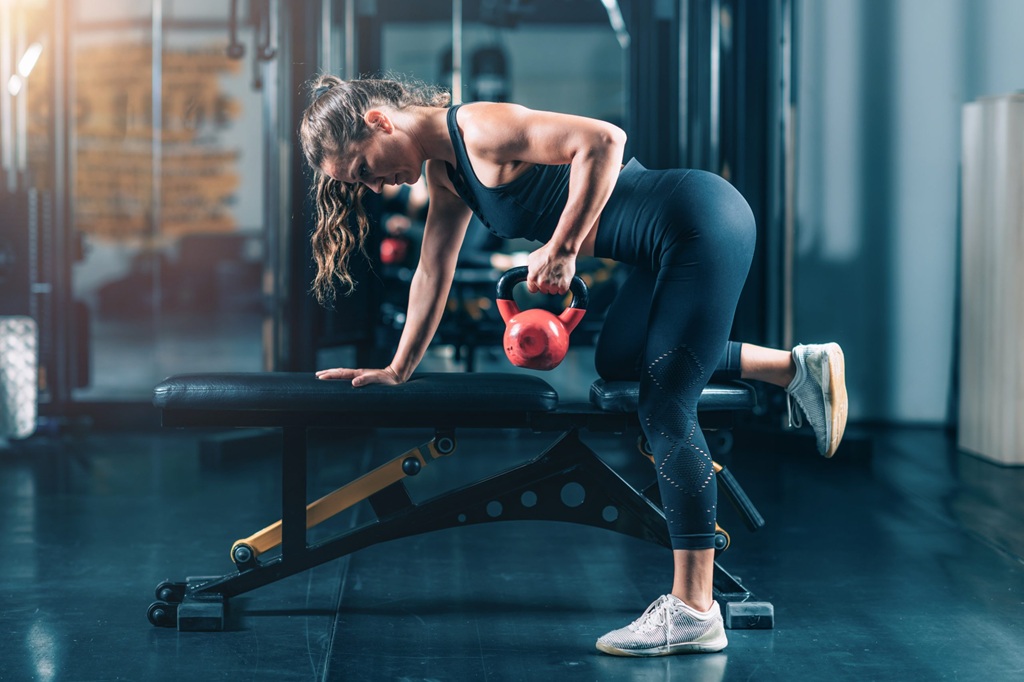
To continuously challenge your core and promote muscle growth, implement progressive overload. This involves gradually increasing the intensity of your workouts over time.
Here are a few ways to achieve this:
- Increase Weight: As you get stronger, use a heavier kettlebell to increase the resistance.
- Increase Reps and Sets: Gradually increase the number of repetitions and sets you perform.
- Decrease Rest Time: Reduce the rest time between sets to increase the intensity of your workout.
- Increase Frequency: Add an extra workout day to your routine.
- Add Variations: Incorporate more challenging variations of the exercises, such as single-arm swings or weighted Russian twists.
Nutrition: Fueling Your Ab Transformation
While exercise is crucial, nutrition plays a vital role in achieving visible abs. Focus on a balanced diet rich in lean protein, complex carbohydrates, and healthy fats. Prioritize whole foods over processed foods, and ensure you’re consuming adequate calories to support your workouts and recovery. Staying properly hydrated is also vital. Reducing processed sugars and increasing protein will help the fat loss required to see the abs.
Related: Night Exercise and Weight Loss: The Facts
Consistency and Patience: The Pillars of Success
Achieving six-pack abs requires consistent effort and patience. Don’t expect overnight results. Stick to your workout routine and nutrition plan, and track your progress. Celebrate small victories along the way, and remember that consistency is key to long-term success.
People Also Ask (FAQs)
- How often should I do kettlebell ab workouts?
- 2-3 times per week, with rest days in between, is ideal.
- What size kettlebell should I use?
- Start with a weight that allows you to perform the exercises with proper form. For women, 8-12 kg is a good starting point, and for men, 12-16 kg.
- Can I get six-pack abs with kettlebells alone?
- Yes, kettlebells are highly effective for core training. However, combining them with a balanced diet and regular cardio will enhance your results.
- How long does it take to see results?
- Results vary depending on individual factors, but with consistent effort, you can expect to see noticeable changes within a few weeks.
- Are kettlebell workouts safe for beginners?
- Yes, but it’s essential to learn proper form from a qualified instructor or reliable online resources. Start with lighter weights and gradually progress.
- Can I do these workouts if I have back pain?
- It is best to consult with your physician before beginning any workout program if you have back pain.
Related: From Couch Potato to Champion: What’s Your Fitness First Move?
Conclusion: Your Journey to a Sculpted Core Starts Now
Kettlebell workouts offer a dynamic and effective way to sculpt your abs and achieve your fitness goals from the comfort of your own home. By incorporating the exercises and principles outlined in this article, you can transform your core and unlock your full potential. Remember to prioritize proper form, progressive overload, and a balanced diet. With consistency and dedication, you’ll be well on your way to achieving the six-pack abs you’ve always desired. Embrace the challenge, and let the kettlebell be your guide to a stronger, more confident you.


